
CFHS Teacher & Students Capture Stunning Deep Space Images at Telescope Night
Posted Date: 01/28/26 (05:00 PM)
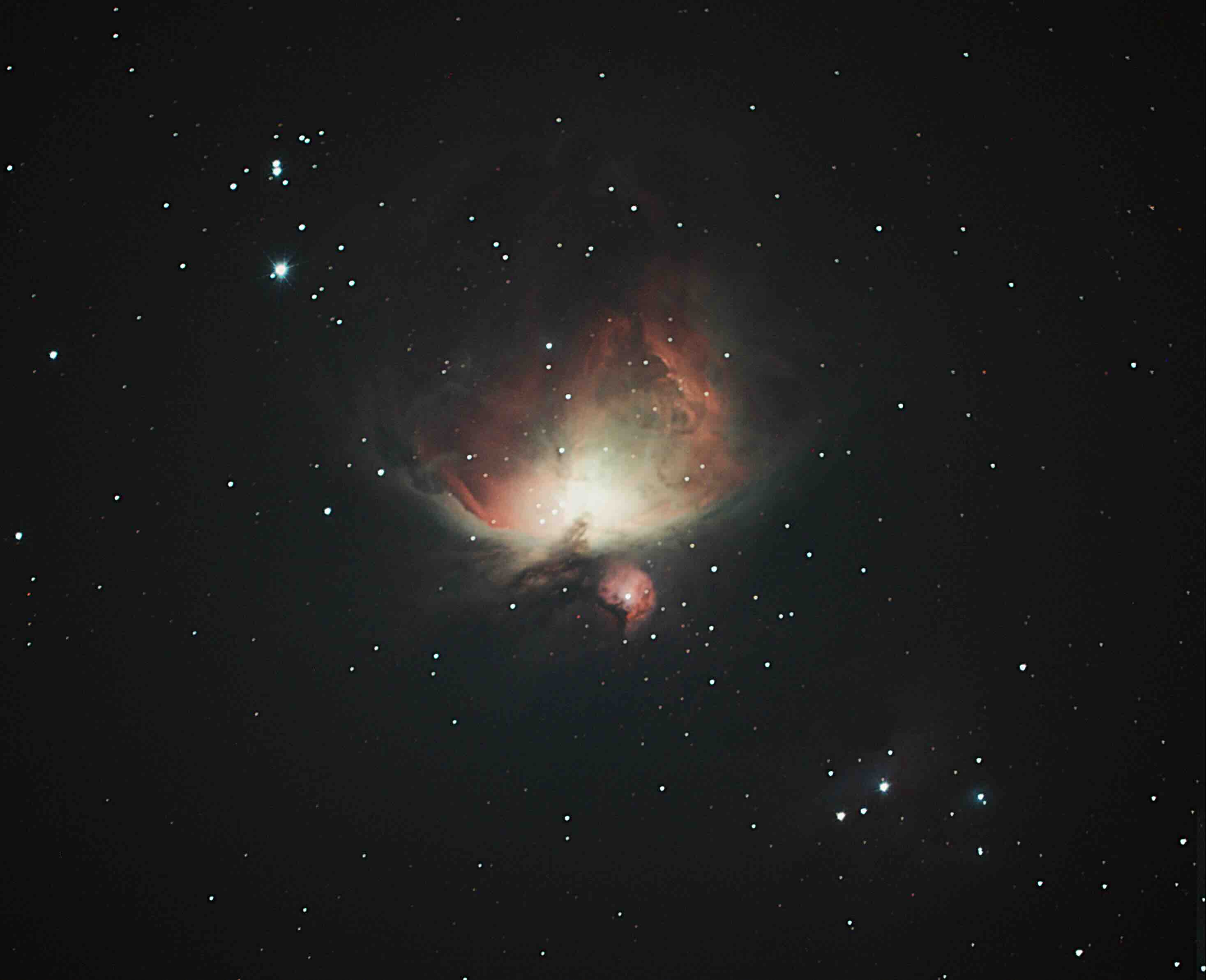 On a clear Tucson night, Catalina Foothills High School astronomy students didn't just observe the cosmos; they captured it in breathtaking detail. Physics and Astronomy instructor Mike Winters recently hosted Telescope Night for his students, an after-hours learning experience in which they used professional-grade astrophotography equipment to photograph distant galaxies and nebulae.
The images they captured are absolutely stunning. Using specialized equipment Mr. Winters acquired through the Arizona STEM Acceleration Project two years ago, students photographed celestial wonders including the Andromeda Galaxy (M31), the Triangulum Galaxy (M33), the Horsehead Nebula (IC434), the Orion Nebula (M42), The Pleiades (M45), and the Rosette Nebula (NGC2237)—each millions of light-years away from Earth.
"These Telescope Nights give students hands-on experience with real astrophotography techniques," said Mr. Winters. "They're learning how to locate deep-sky objects, set up imaging equipment, capture long-exposure photographs, and process the data. These are the same skills that professional astronomers use every day."
The images reveal intricate details invisible to the naked eye: spiral arms swirling with billions of stars, vast clouds of cosmic dust and gas where new stars are born, and galaxies containing hundreds of billions of suns. They use a system called the "Hyperstar" which is literally the fastest astrophotography imaging system ever invented. These detailed images can be captured in just a couple of minutes.
Beyond the technical skills, Telescope Night fosters wonder and curiosity about our place in the universe. Students who stay up late pointing telescopes at the sky aren't just completing an assignment. They're connecting with something profound and timeless.
Mr. Winters hosts these events throughout the school year for his astronomy students, weather permitting. The next time you see the night sky, remember: they are out there capturing its beauty, one photon at a time.
About the Images:
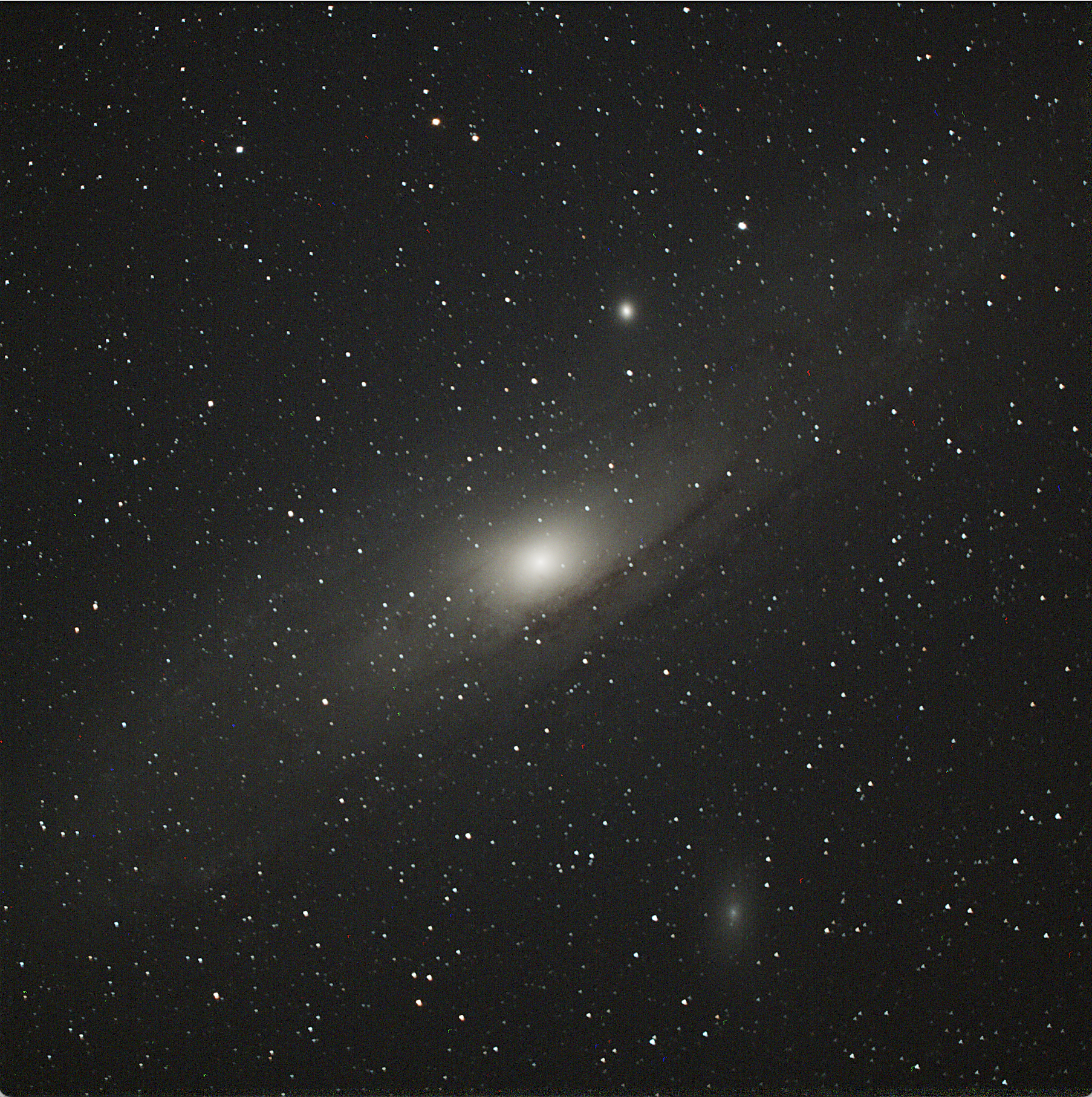 Andromeda Galaxy (M31): Our nearest large galactic neighbor, approximately 2.5 million light-years away
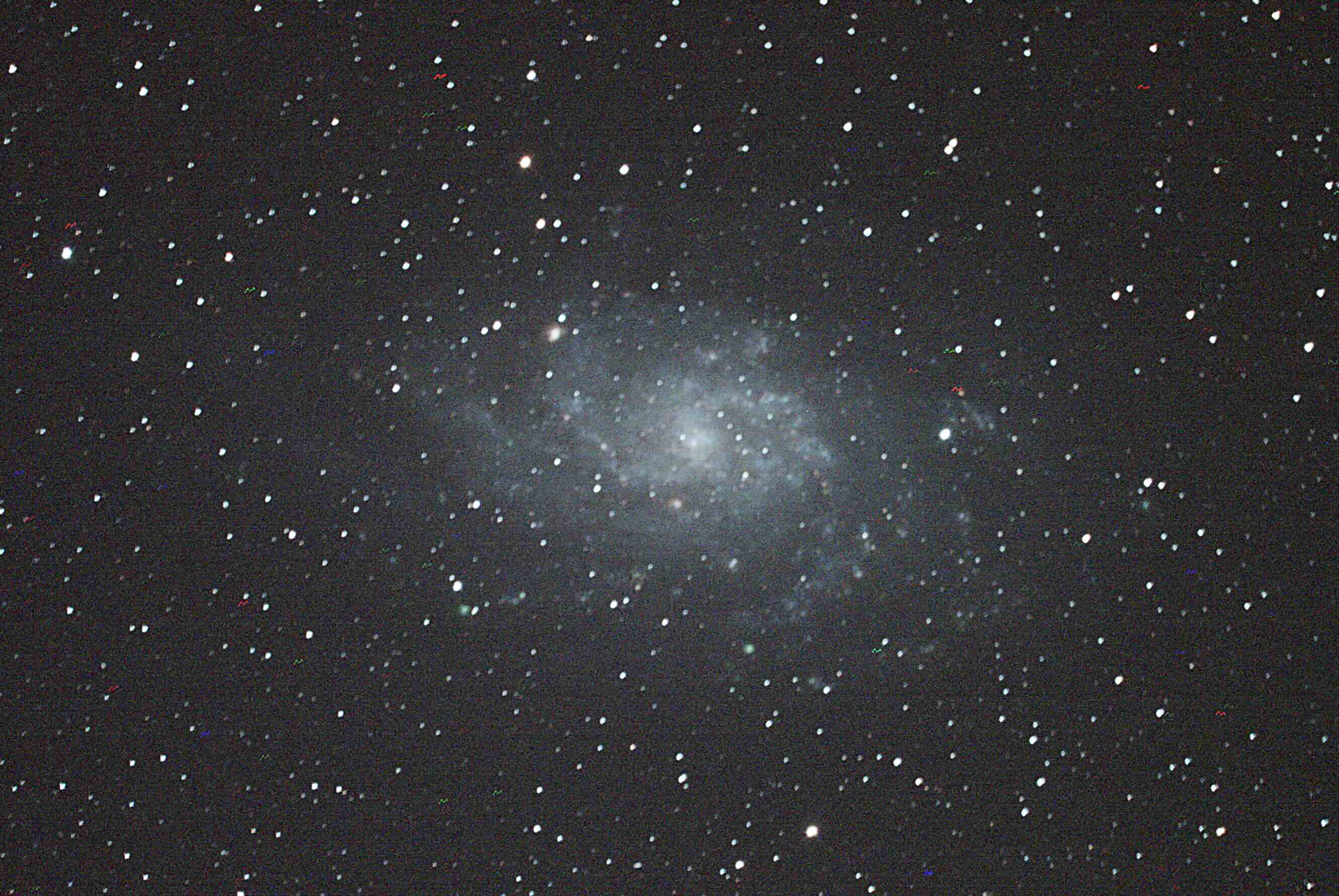 Triangulum Galaxy (M33): A spiral galaxy about 3 million light-years from Earth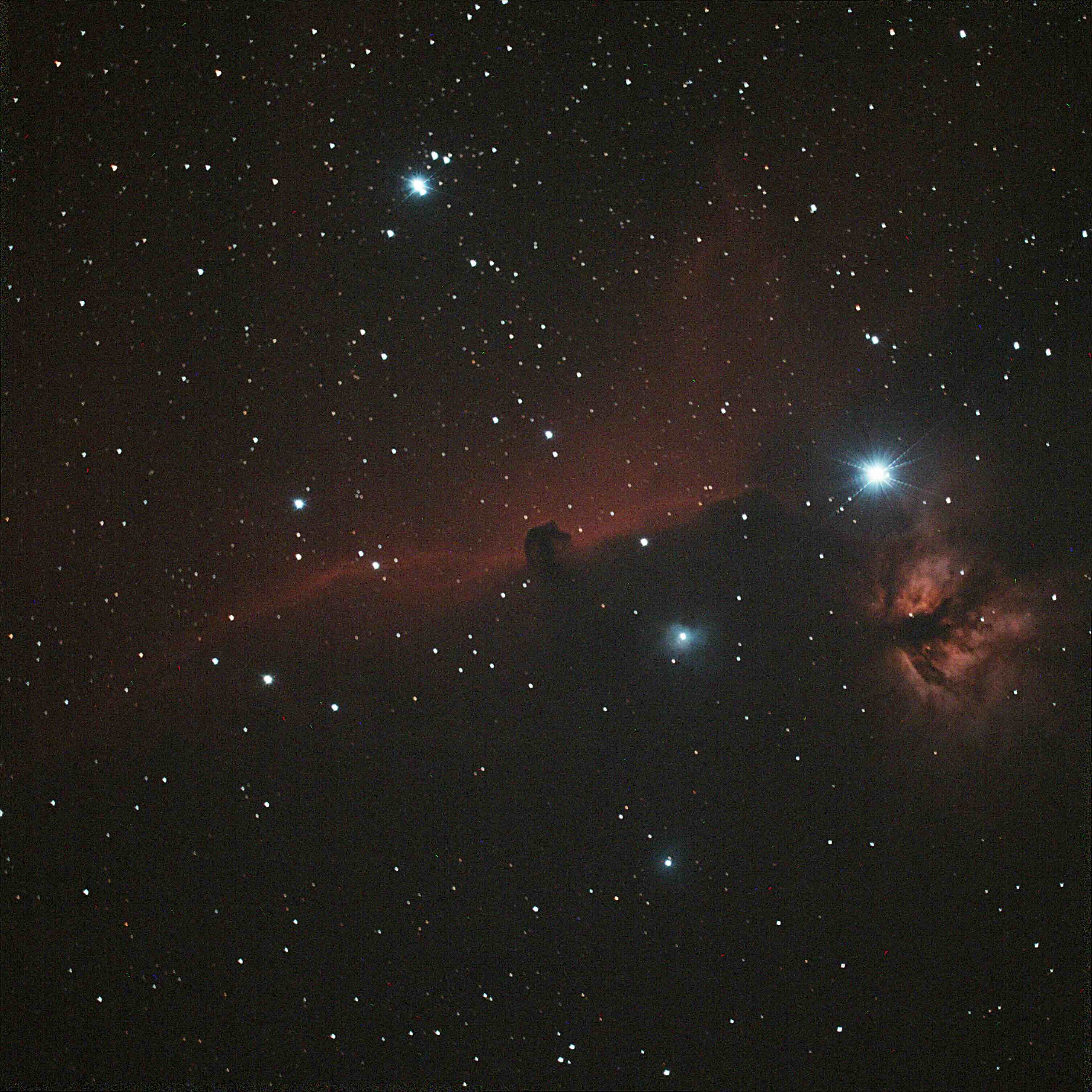
Horsehead Nebula (IC434): An iconic dark nebula in the constellation Orion, approximately 1,500 light-years away
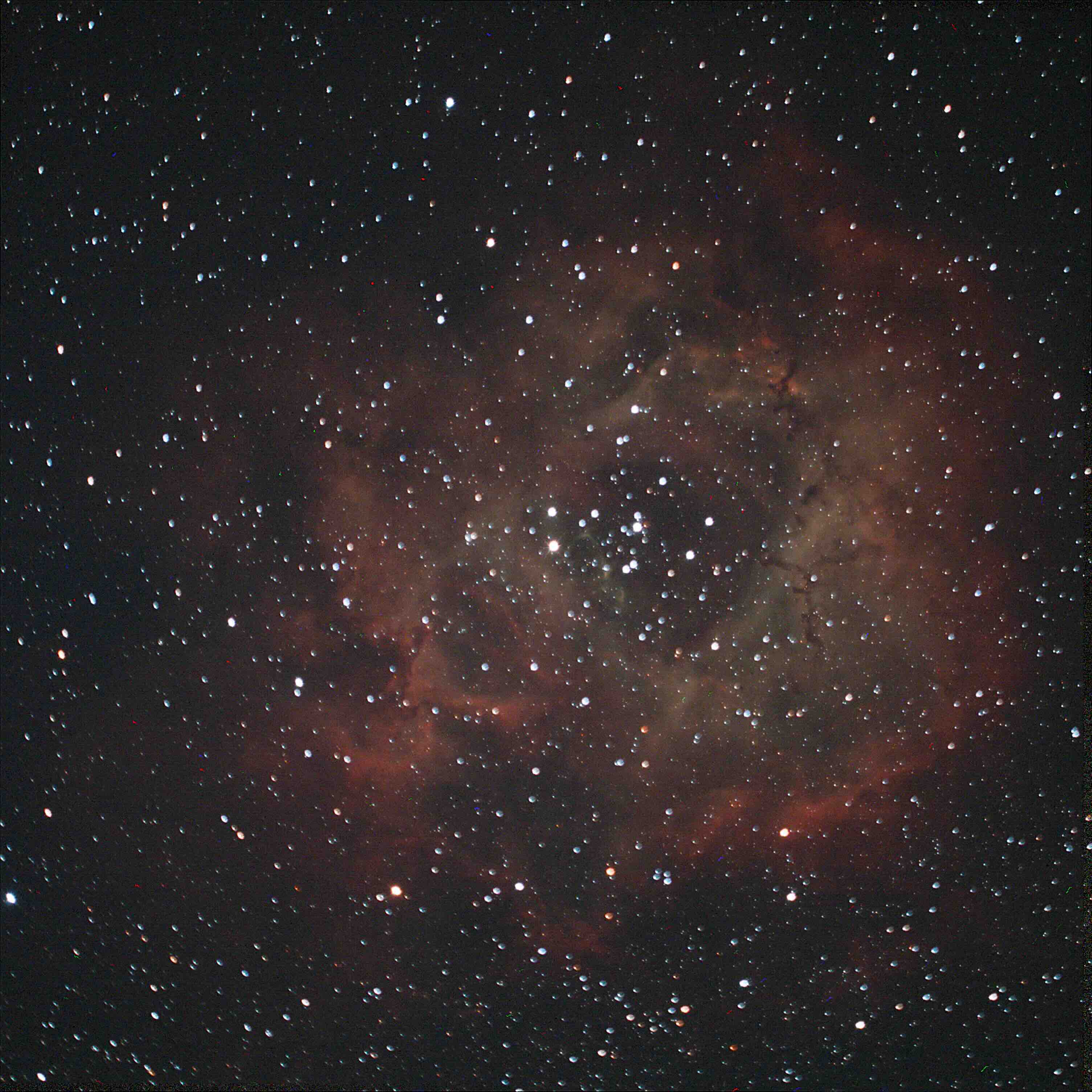
Rosette Nebula (NGC2237): A star-forming region about 5,000 light-years from Earth
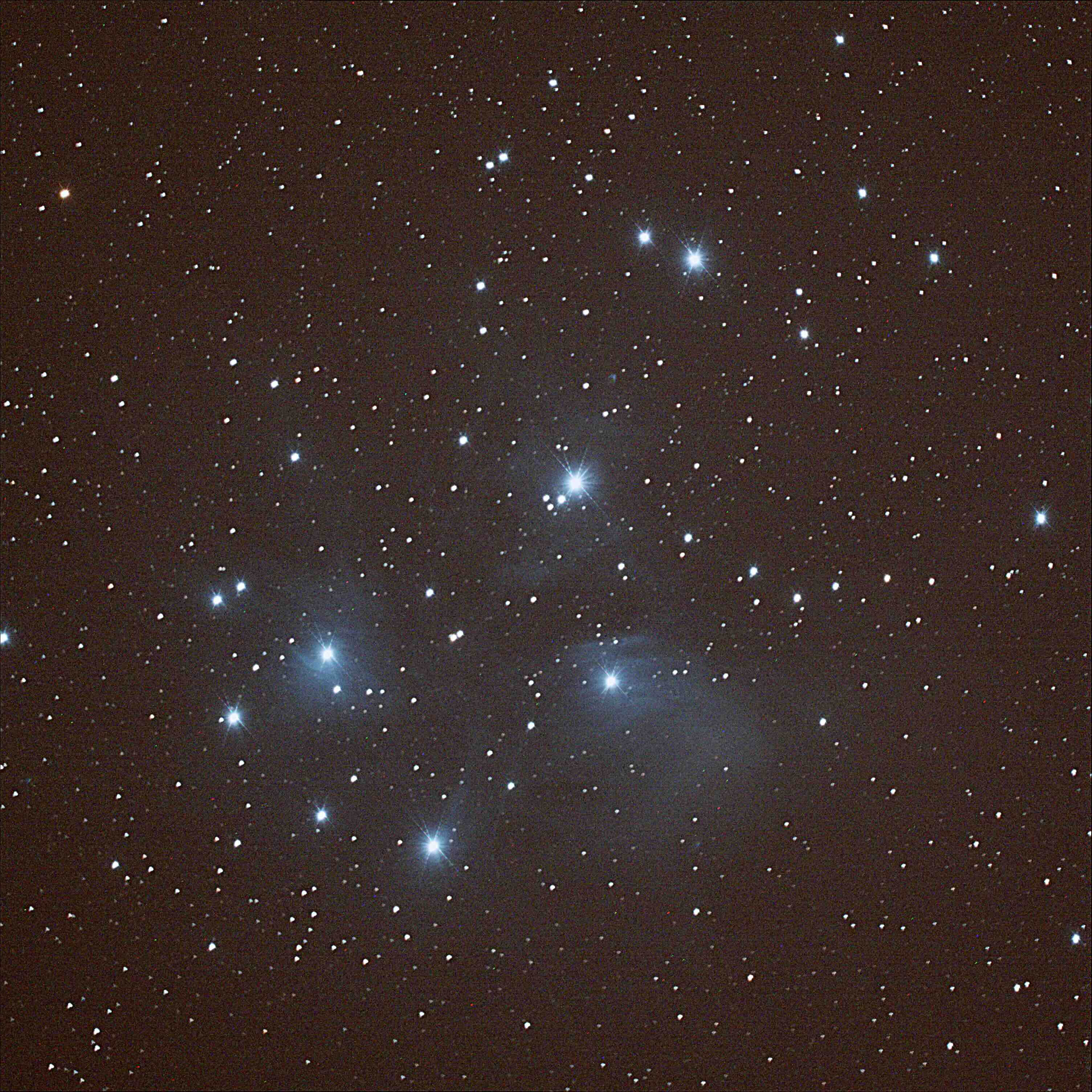 The Pleiades (M45): Also known as the Seven Sisters, this dazzling open star cluster is one of the closest to Earth at about 440 light-years away. The blue reflection nebulosity surrounding the brightest stars reveals clouds of interstellar dust illuminated by starlight. The Pleiades contains over 1,000 stars, though only the brightest are visible to the naked eye.
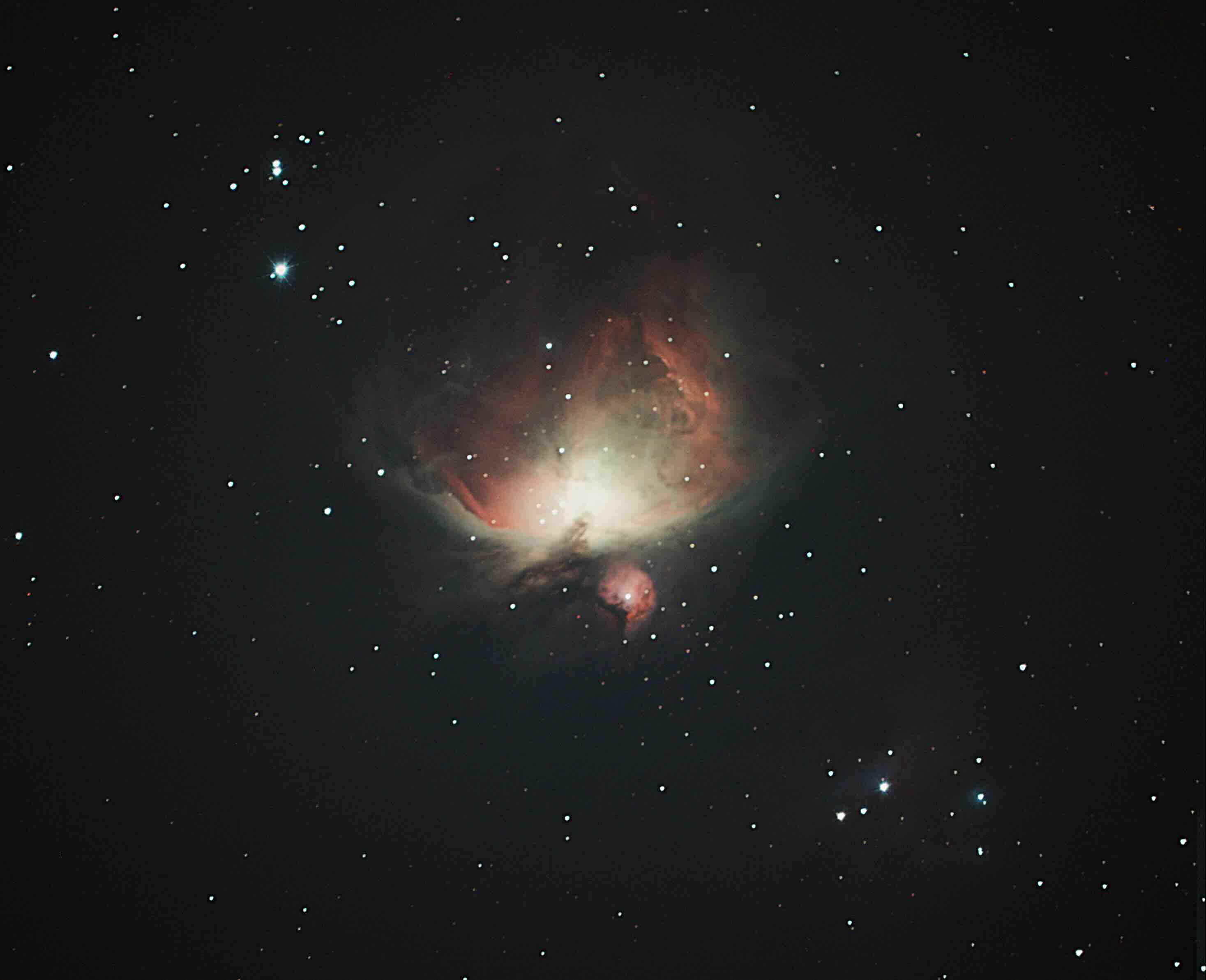 Orion Nebula (M42): One of the brightest nebulae visible from Earth, it is a stellar nursery where new stars are forming. Located approximately 1,350 light-years away in the constellation Orion, this cosmic cloud of gas and dust spans about 24 light-years across. The vibrant colors reveal different elements: hydrogen glows red, oxygen appears greenish, and the brightest region contains a cluster of massive young stars known as the Trapezium.
The images you see here have been compressed for posting. The original files capture even more detail.